Acquisition costs have risen steadily across paid search, paid social and even organic visibility, as AI-generated summaries absorb more of the clicks that used to reach a website directly. Every visitor who does make it through now carries more acquisition cost behind them than they did two or three years ago, which raises the value of converting that same visitor rather than simply chasing more of them.
At the same time, the tools for running rigorous tests have become more accessible, removing the old excuse that testing required a dedicated data team and six-figure tooling budget. A mid-sized site can now run a credible testing programme with the same statistical rigour that was once reserved for large ecommerce platforms, which makes skipping that step harder to justify than it used to be.
The businesses still treating "redesign" as a single confident bet, rather than a sequence of tested decisions, are increasingly the ones left wondering why the new site performs no better than the old one. The ones treating it as an ongoing experiment compound small wins quarter after quarter, and arrive at any eventual bigger rebuild with far more certainty about what actually needs to change.
None of this requires abandoning design instinct. It requires treating that instinct as the source of hypotheses, not as the final word on what gets built.





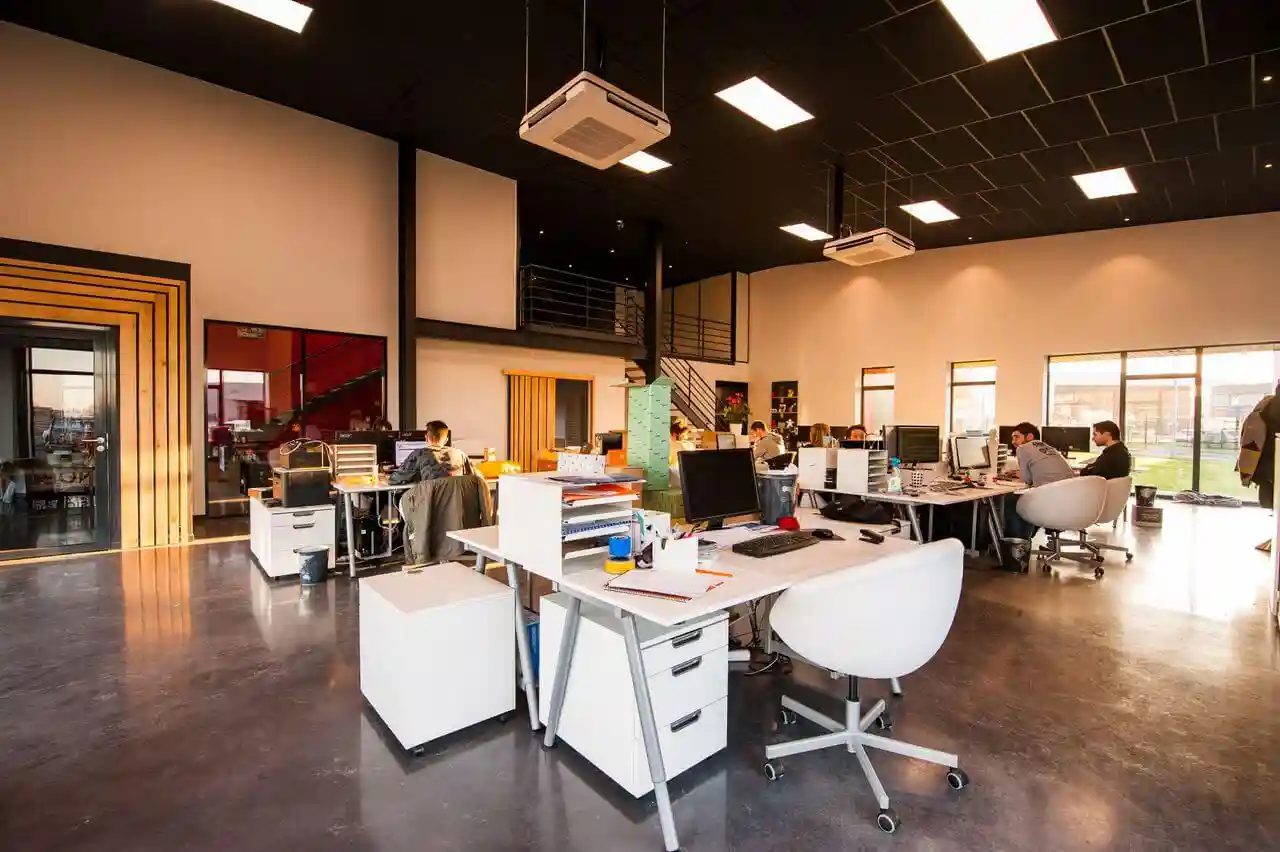


Trusted with the data
Teams who stopped guessing
and started testing
From single landing pages to full-funnel testing programmes, we’ve helped teams replace confident-sounding opinions with evidence they could actually act on.
- Senior CRO strategists on every programme, not junior handovers
- Full access to raw test data, not just a summary report
- Honest reporting that includes the tests that didn’t win
Talk to our CRO teamSome of the brands we test for
Replace placeholders with real client logos