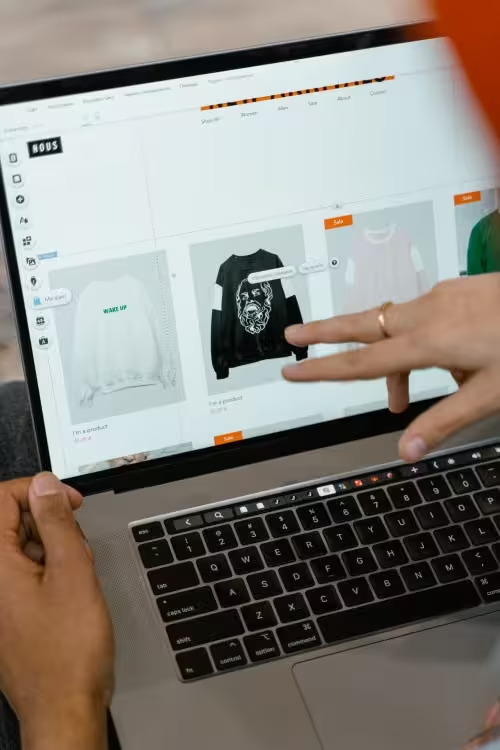
Name the service and explain who it is for near the top of the page. Describe what is included, where you provide it and any important exclusions. If price depends on the job, explain what affects the quote rather than leaving the visitor to guess.
Show relevant evidence you have permission to use: project photographs, a description of completed work, qualifications or an approved customer review. Explain the context. A photograph on its own may not tell a visitor what your team was responsible for.
Make the next step clear. Say what information to send and what happens after an enquiry. Test the page on a phone, including the form, links and phone number. Remove repeated sections that make the page longer without answering another customer question.
At a glance
- Make the service recognisable immediately
- Explain scope and practical limits
- Show evidence with enough context
- Write the enquiry step as instructions
- Review the page before increasing traffic
Make the service recognisable immediately
Use the name customers understand and explain the work in a sentence. Add who the service is for and where it is available. A page headed only “Better together” makes the visitor do unnecessary interpretation.
Match the page to the campaign that sends people there. Someone who clicks an advert for commercial cleaning should not have to search a general introduction to discover whether commercial cleaning is actually offered.
Explain scope and practical limits
List the work included and the things that need a separate quote. Describe timing, access requirements or information you need before accepting a job. If prices vary, explain the factors instead of inventing an attractive starting figure.
For example, a website service might include design and build while copywriting, photography and ongoing updates are separate. State those boundaries before a customer completes a lengthy brief.
Show evidence with enough context
Use photographs, project notes, qualifications and approved reviews that relate to the service. Explain the work your team performed and any conditions that matter. A borrowed stock image should not be presented as a completed project.
Check permissions before publishing customer names or identifiable images. If you have no suitable case study yet, explain your process and deliverables accurately. Unsupported claims do not become stronger when placed in a coloured statistics box.
Write the enquiry step as instructions
Tell visitors what to send: location, approximate dates, project type or another genuinely useful detail. Explain what happens next. Keep the form short enough for the stage of the conversation.
Make labels visible, explain errors and test completion on a phone. Check that the receiving team has the information it needs. A form confirmation is not the end of the process if the email goes to an unattended inbox.
Review the page before increasing traffic
Open the advert and page side by side. Test the links and contact routes. Ask someone unfamiliar with the business to explain the service and next step after reading the page.
Record questions they could not answer. Fix important gaps before adding decorative sections. Keep the page owner informed when availability, terms or scope change so campaigns do not continue promoting an outdated offer.
Common questions
Should every service have a separate page?
Separate pages can help when the services involve different questions or customers. Avoid creating multiple pages that repeat the same information without a useful distinction.
Do we need prices on the page?
Publish prices where you can do so accurately. Otherwise explain how quotes are calculated and what information you need to prepare one.